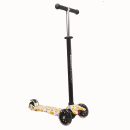
The best adult kick scooter depends on route, rider fit, wheel size, carrying needs, braking, and serviceability. A smooth long-wheelbase model can feel comfortable on pavement, while a lighter folding scooter may work better for transit and stairs.
Measure rider fit
Check the handlebar adjustment range against the rider’s height and posture. The rider should stand upright with relaxed shoulders and slightly bent elbows. Confirm usable deck space, maximum load, brake access, and the total load including a bag or gear.
Choose wheel size for the surface
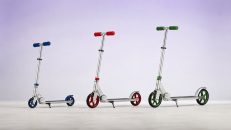
Larger wheels generally maintain momentum and roll over small imperfections more easily. Smaller wheels can make a scooter compact and agile but may react more sharply to cracks and debris. Tire material and air volume matter as much as diameter.
Urethane wheels
These are common on folding kick scooters, efficient on smooth pavement, and low maintenance. Rough surfaces transmit more vibration.
Pneumatic tires
Air-filled tires can improve comfort and grip on imperfect surfaces but require pressure checks and can puncture. Follow the manufacturer pressure range.
Deck size and ride height
A longer or wider deck offers stance options but can add weight. A low deck reduces how deeply the rider bends the standing leg while pushing, but ground clearance may be lower. Confirm that the deck and underside suit the route’s ramps, curbs, and surface transitions.
Brakes
Rear-fender brakes are simple but can become hot during extended braking. Some adult scooters add hand brakes. Test braking at low speed, understand wet-weather limitations, and inspect the brake surface and cable adjustment before riding.
Folding system and carrying
For transit, compare actual folded dimensions, latch security, carry balance, scooter weight, and whether the bars fold. A scooter that feels light for one lift can still be uncomfortable across a station or up several flights of stairs.
Route-based priorities
| Route | Prioritize | Watch for |
|---|---|---|
| Smooth short commute | Low deck, efficient wheels, quick fold | Brake heat and visibility |
| Rough pavement | Larger wheels or pneumatic tires | Added weight and maintenance |
| Transit connection | Folded size and carry weight | Loose folding joints |
| Recreation | Comfort, fit, service parts | Route rules and pedestrians |
Adult kick scooter checklist
- Handlebars fit without hunching or raised shoulders
- Rider and cargo remain below the stated load limit
- Deck supports a comfortable stance and push
- Wheels and tires suit the actual surface
- Brake is reachable, predictable, and serviceable
- Folding latch locks securely with no play
- Replacement wheels, bearings, brake parts, and grips are available
Safety before every ride
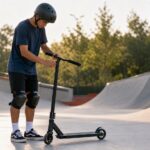
Wear a properly fitted helmet and closed-toe shoes. Inspect the bars, latch, brake, wheels, deck, frame, and fasteners. Avoid traffic, wet surfaces, loose debris, steep descents, and low visibility. Follow local rules and give pedestrians priority.
Use our complete scooter safety guide. If motor assistance is important, compare the different tradeoffs in the adult electric scooter guide.
Legacy model reviews
Our archive includes individual Razor A, Razor A2, and Razor A3 reviews. These compact models are not adult-specific; check current fit and load limits. For current differences, use the A vs A2 vs A3 comparison.
Core guidance last reviewed: August 10, 2026.
Match the adult kick scooter to a complete trip
Map the parts of the trip that happen off the scooter. A model can feel efficient while rolling yet become frustrating on stairs, buses, trains, narrow hallways, or crowded offices. Compare the folded length, handle shape, latch security, deck clearance, and the weight you must carry when riding is not possible.
Short smooth urban trips
Portability and a quick, secure fold may matter more than maximum wheel size. Small urethane wheels can work on maintained pavement, but the rider must scan for cracks, utility covers, stones, and wet leaves. Confirm that the brake remains predictable at the speed and load you expect.
Rougher pavement and longer pushes
Larger wheels or pneumatic tires may reduce vibration and roll over small imperfections more calmly, but they add size, weight, and maintenance. Pneumatic tires require pressure checks and puncture planning. Test whether the improved ride is worth the carrying penalty for your route.
Fit checks adults often skip
- Bar height: the rider should not hunch or lock the shoulders upward.
- Deck room: feet need a repeatable stance without contacting the rear brake accidentally.
- Steering clearance: knees and hands should remain clear during turns.
- Brake access: the rider must be able to use the brake without shifting into an unstable position.
- Load limit: include clothes, backpack, lock, and anything carried.
Ownership and maintenance plan
Inspect the folding mechanism, bar clamp, axles, wheels, deck, and brake before regular use. Clean grit from moving parts, replace worn wheels and bearings with compatible parts, and stop using a scooter with cracks, bent components, or a latch that will not lock consistently. Confirm replacement availability before buying a discontinued or unusually proprietary model.
An adult kick scooter is a good fit when the route is short enough to push comfortably, the pavement suits the wheels, and carrying matters. It is a poor fit when steep hills, heavy cargo, damaged surfaces, or long distances make control and fatigue unpredictable. Compare that decision with our adult electric scooter guide.
Test the commute in stages
Do not make the first ride a deadline-sensitive trip. Walk the route first and note steep sections, rough paving, crossings, crowds, storage points, and places where riding is prohibited. Then test a short section with normal shoes and cargo. Time the complete door-to-door journey, including folding and carrying.
A kick scooter is a good commute tool only when the rider can stop predictably, carry it where required, and arrive without the route demanding unsafe speed or unsuitable surfaces.