
Independent, research-based scooter guidance
Choose for the rider and the route—not for the loudest “best seller” badge. We turn scooter specifications into practical guidance for parents, adult commuters, recreational riders, and gift buyers.
Start with fit, controls, terrain, carrying needs, safety, and support. Then compare the models that genuinely match.
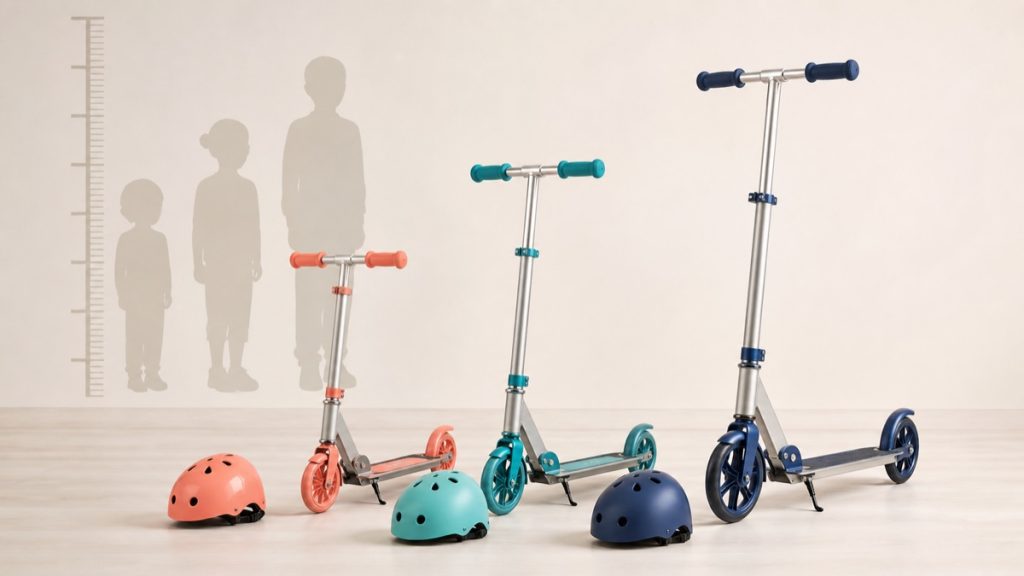
What do you need help choosing?
Pick the path that matches the rider and situation. Each guide connects product choices with fit, safety, ownership, and realistic tradeoffs.
Buying guidance for kids and adults
The same “best scooter” is not right for every rider. Start with the limits and daily use, then build a shortlist.
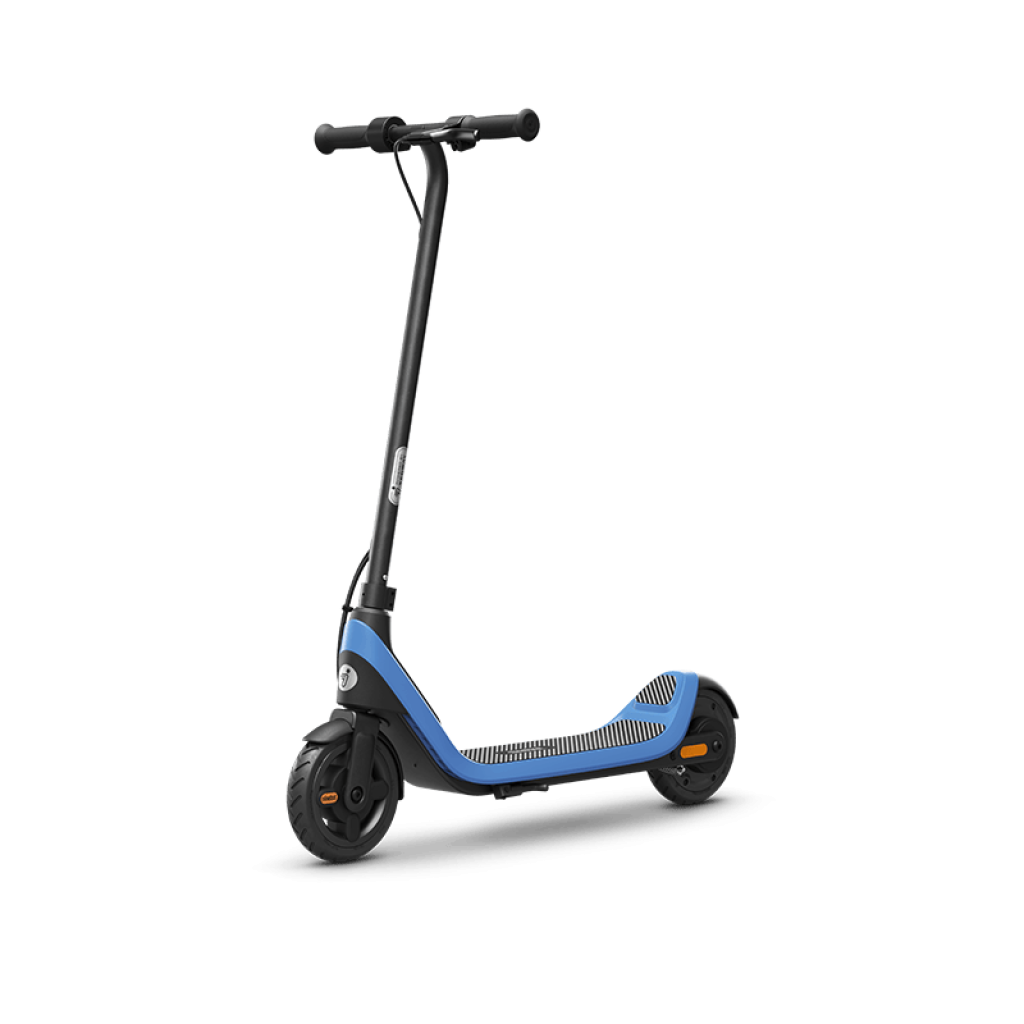
Fit and readiness come before features
Confirm the exact model’s guidance, physical fit, control skill, manageable speed, reliable braking, riding area, supervision, and charger support.
- Kick, three-wheel, and electric choices
- Age, height, controls, and rider limits
- Clear safety context and disqualifiers
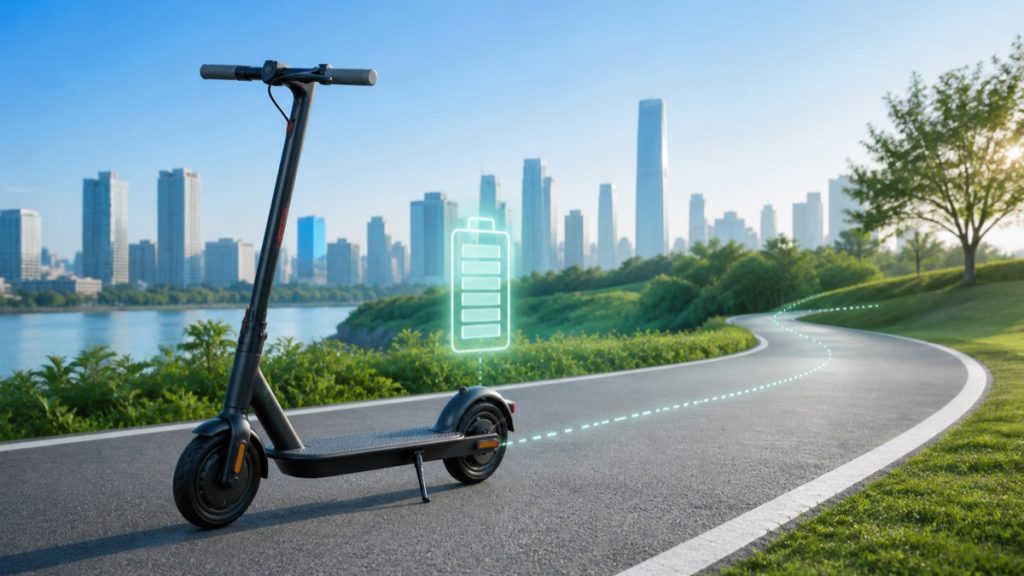
Route and ownership shape the right choice
Compare practical range reserve, hills, rider and cargo load, folding and carrying weight, tire comfort, brakes, local rules, parts, and warranty support.
- Electric and human-powered options
- Commuting, recreation, and portability
- Real-world range and maintenance needs
Browse by rider and use case
Use these hubs when you already know the type of scooter or decision you need to research.
Young riders
Fit, stability, steering style, and first-scooter readiness.
Kids’ electric
Speed modes, braking, certification, charging, and supervision.
Adult scooters
Electric and kick choices for commuting and recreation.
Stunt and brands
Complete setups, sizing, parts, and direct model research.
Popular practical guides
Answer the questions that product listings usually leave unresolved.
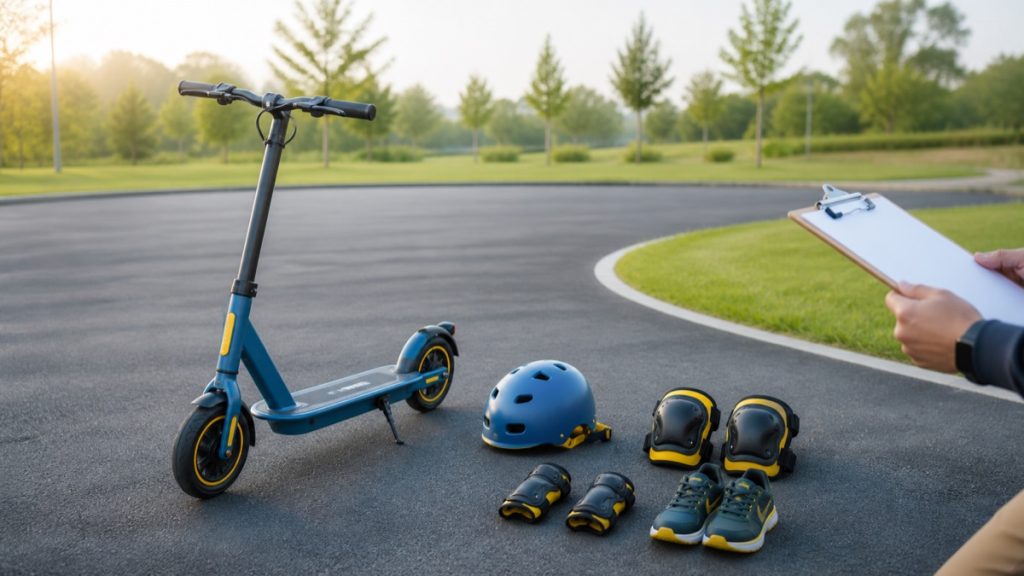
Is a child ready for motor power?
Look beyond a seller’s age label to steering, scanning, braking, judgment, and supervision.
Estimate practical range
Build a reserve for hills, stops, load, tire pressure, wind, temperature, and battery condition.
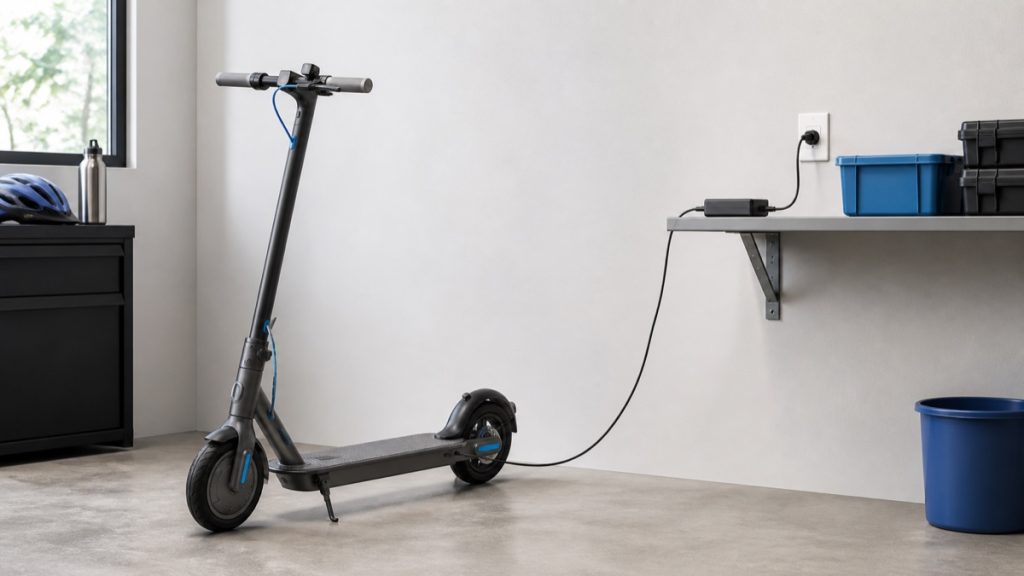
Charge without shortcuts
Use the correct charger, choose a clear dry area, and recognize warning signs that mean stop.
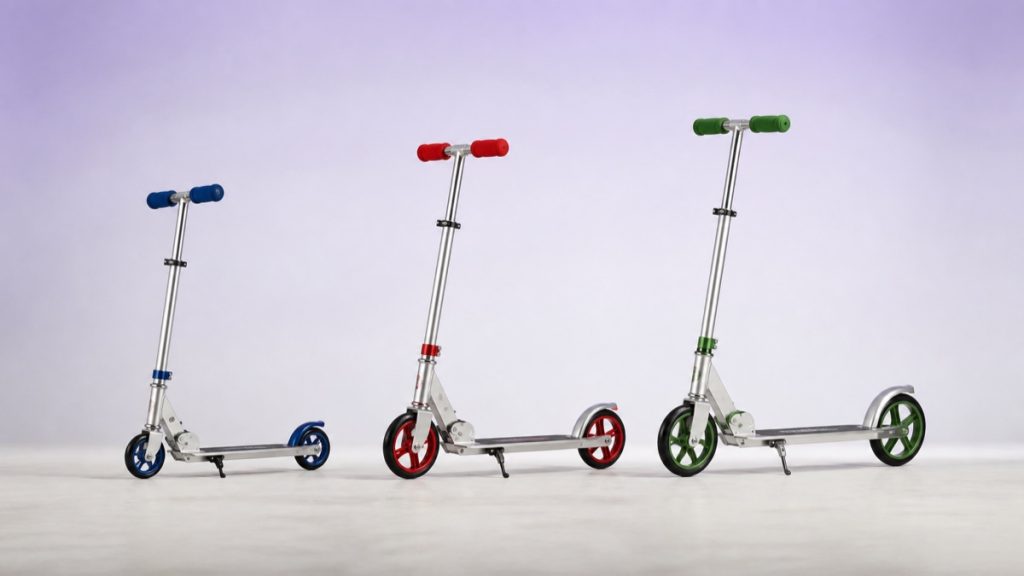
Razor A vs A2 vs A3
Compare wheel size, folding, carrying weight, fit, and the route each kick scooter suits.
How we evaluate scooters
We do not call a product “best” merely because it is popular.
- Define the rider: fit, skill, route, storage, and supervision.
- Verify the model: manufacturer pages, manuals, support, certification statements, and recalls.
- Explain tradeoffs: control, comfort, carrying weight, range, and support.
- Show disqualifiers: poor fit, unsuitable speed, uncertain charger, or unclear service.
Read our editorial policy and review methodology.
Safety before speed
The American Academy of Pediatrics recommends that children under 16 should not operate or ride motorized or electric scooters. That guidance is more conservative than the minimum age printed on some products.
For battery-powered products, use only the charger supplied with or recommended by the manufacturer. Stop using equipment with swelling, unusual heat, odor, melted areas, impact damage, water intrusion, or altered electrical parts.
Four checks before you buy
A longer feature list is not automatically a better scooter. Connect the product to daily use.
Measure the rider
Confirm handlebar position, usable deck room, brake reach, product weight, and rider limits.
Match the surface
Small hard wheels, larger wheels, and pneumatic tires suit different routes and maintenance needs.
Plan ownership
Consider carrying, storage, charging, replacement parts, warranty, and service support.
Budget for safety
Include a correctly fitted helmet, suitable protective gear, visibility, locks, and consumable parts.
Scooter buying questions
Quick answers before you open a product listing.
What type of scooter is easiest for a young beginner?
A correctly fitted three-wheel kick scooter can offer more low-speed stability, although steering style matters. A two-wheel scooter is often more agile and portable but requires more active balance. Measure the child and assess control skills instead of relying on age alone.
Should a child learn on a kick scooter before going electric?
For a child still learning balance, scanning, planned turns, and controlled stops, a kick scooter usually provides a simpler practice platform. Motor power adds acceleration, weight, battery care, and legal questions.
How much electric-scooter range does an adult commuter need?
Start with the full round trip, then add a reserve. Hills, frequent stops, higher speed, load, cold weather, wind, tire pressure, and battery age can reduce the advertised “up to” range.
How can I check whether an online listing is trustworthy?
Identify the exact model and seller, then compare the listing with the manufacturer’s current page and manual. Verify rider limits, speed modes, battery and charger, warranty, certification evidence, replacement parts, and recall status.
Start with the rider, then build the shortlist
For a child, begin with size and readiness. For an adult, map the route, carrying needs, and practical range before comparing motors or headline speed.
Core homepage guidance reviewed August 10, 2026. Product specifications, availability, and local rules can change; verify the exact model and jurisdiction before purchase or use.