
Our top pick is the Segway Ninebot C2 Lite because its 9.9 mph ceiling, three riding modes, clear battery display, 17.2-pound build, and UL 2272 certification make it an unusually balanced first electric scooter. We compared more than 25 current models using manufacturer manuals, safety certification, speed, rider fit, braking, charging, portability, and current U.S. availability. We did not receive these scooters or conduct hands-on tests, so every verdict below is a research-based recommendation—not a claim of personal use. Prices and stock change often; use the fit and safety checks before buying.

Limon maintains ForScooter’s scooter buying guides using manufacturer documentation, public safety guidance, and clearly disclosed research methods. Read our About page and Editorial Policy.
Our Top Picks at a Glance
| Photo | Model | Best for | Maker’s age | Top speed | Weight limit | Price |
|---|---|---|---|---|---|---|
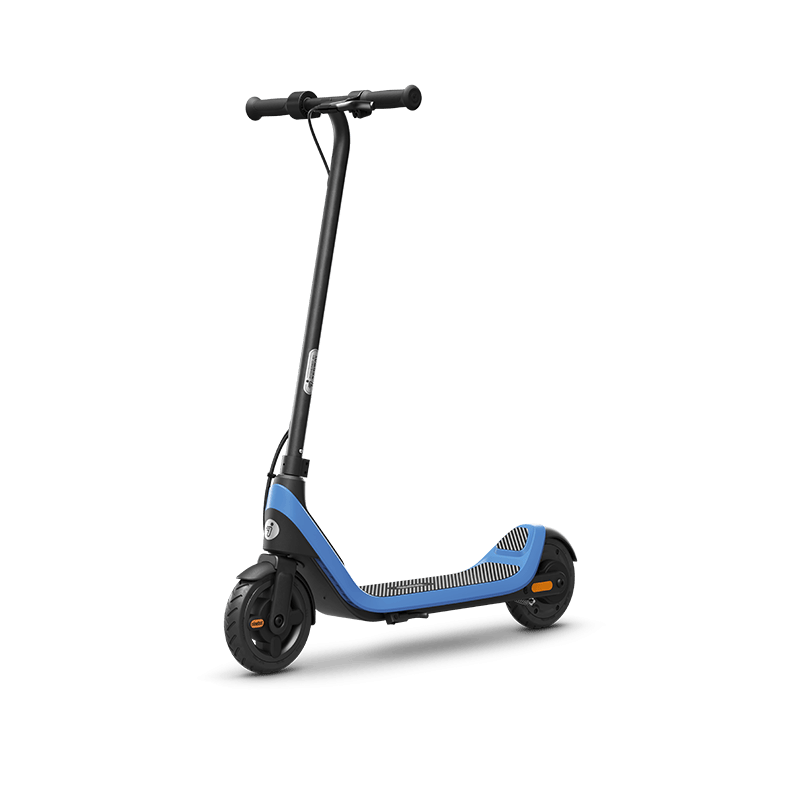 |
Segway Ninebot C2 Lite | Best overall | 6–10 | 9.9 mph | 110 lb | |
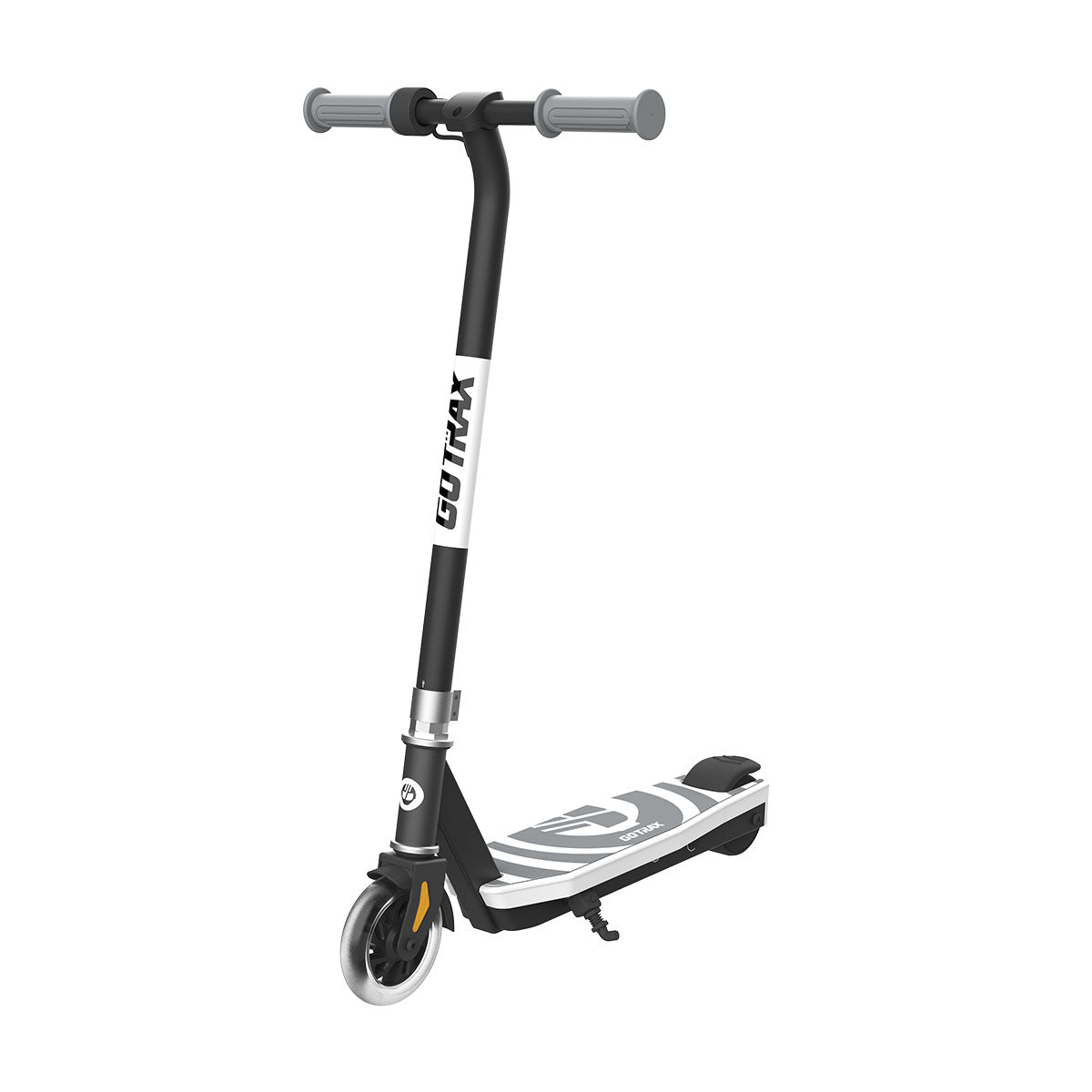 |
GOTRAX Scout Pro | Best budget | 4–7 positioning | 6 mph | 110 lb | |
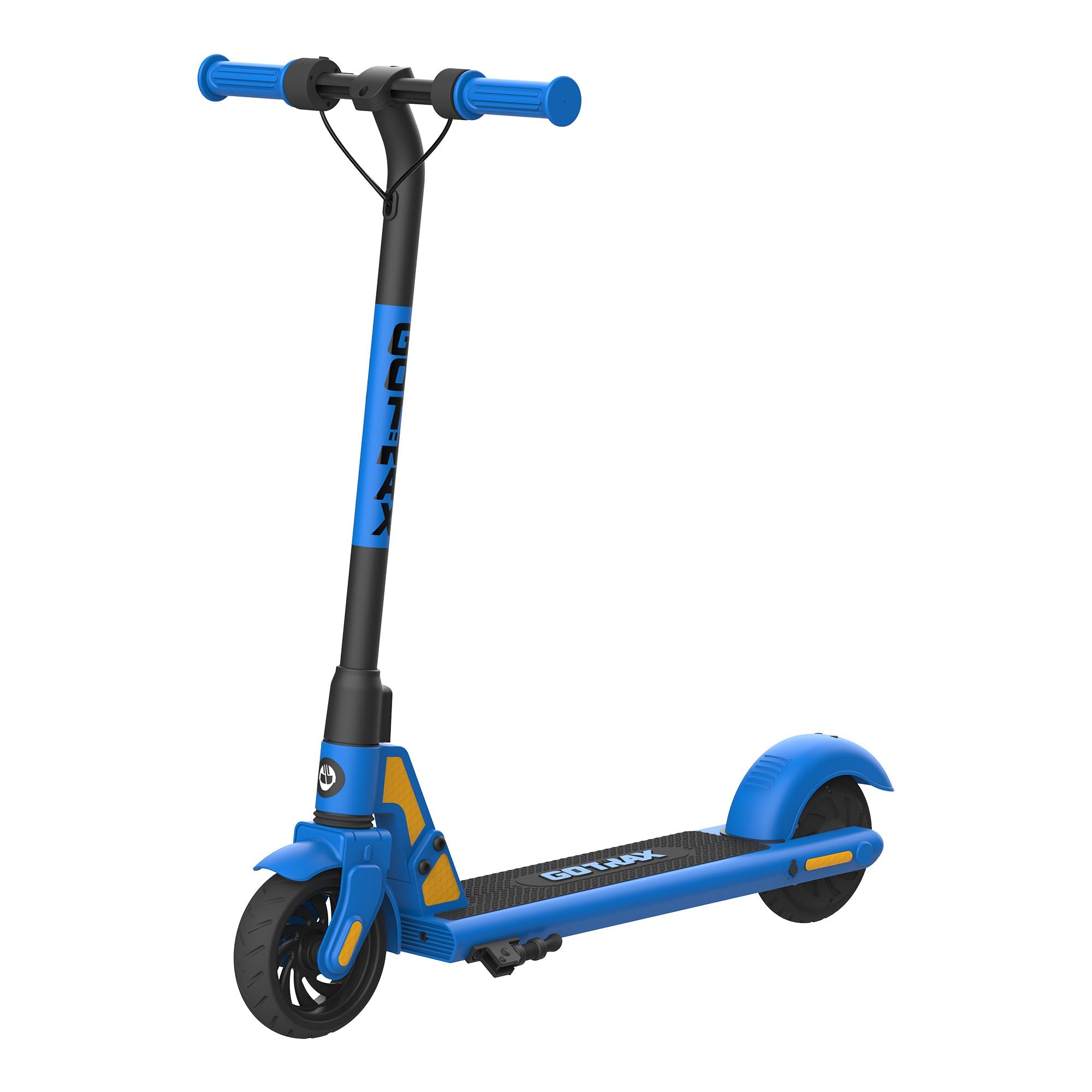 |
GOTRAX GKS | Ages 5–7 | 6+ positioning | 7 mph | 121 lb | |
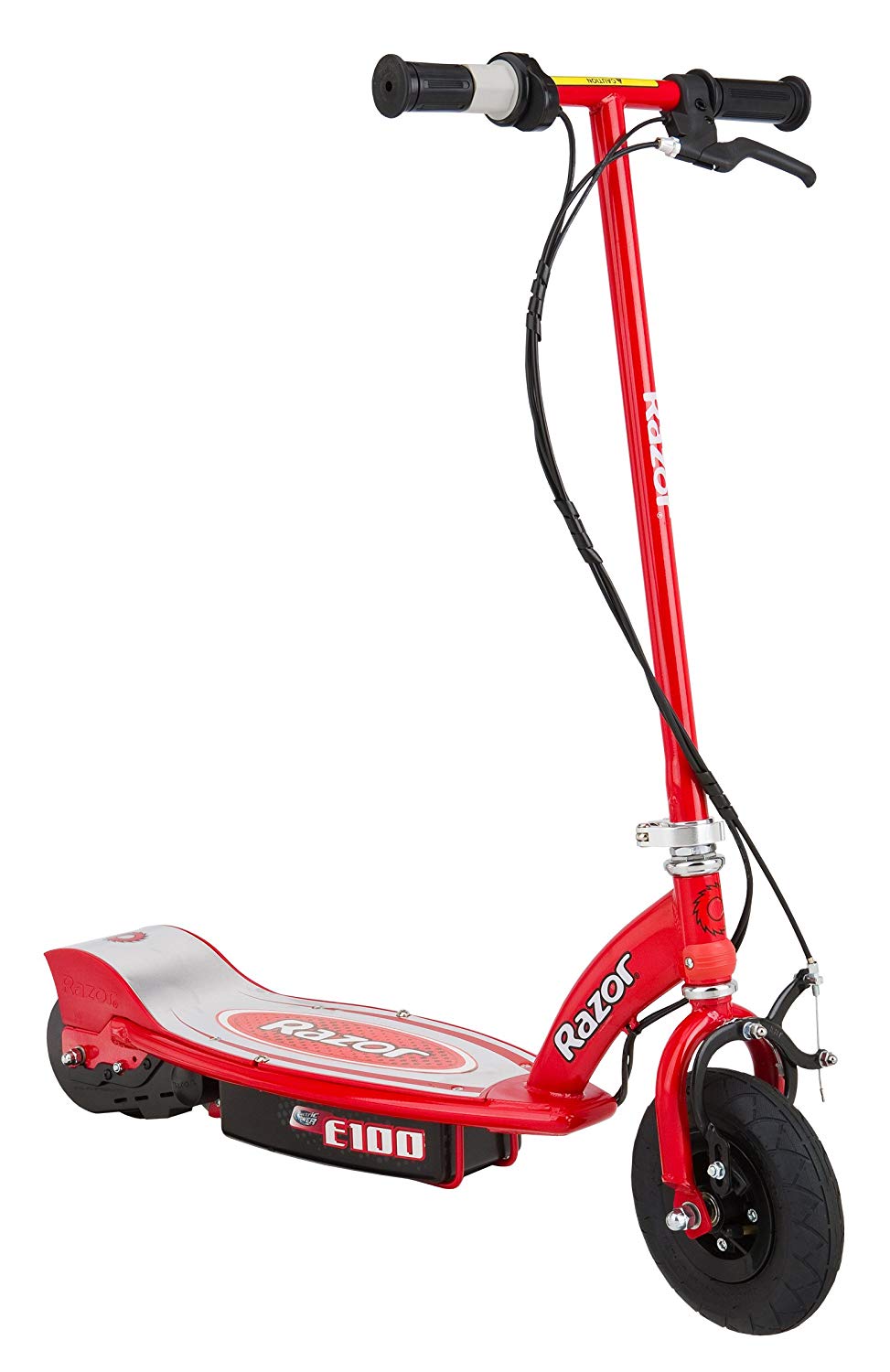 |
Razor Power Core E100 | Ages 8–10 | 8+ | 11 mph | 120 lb | |
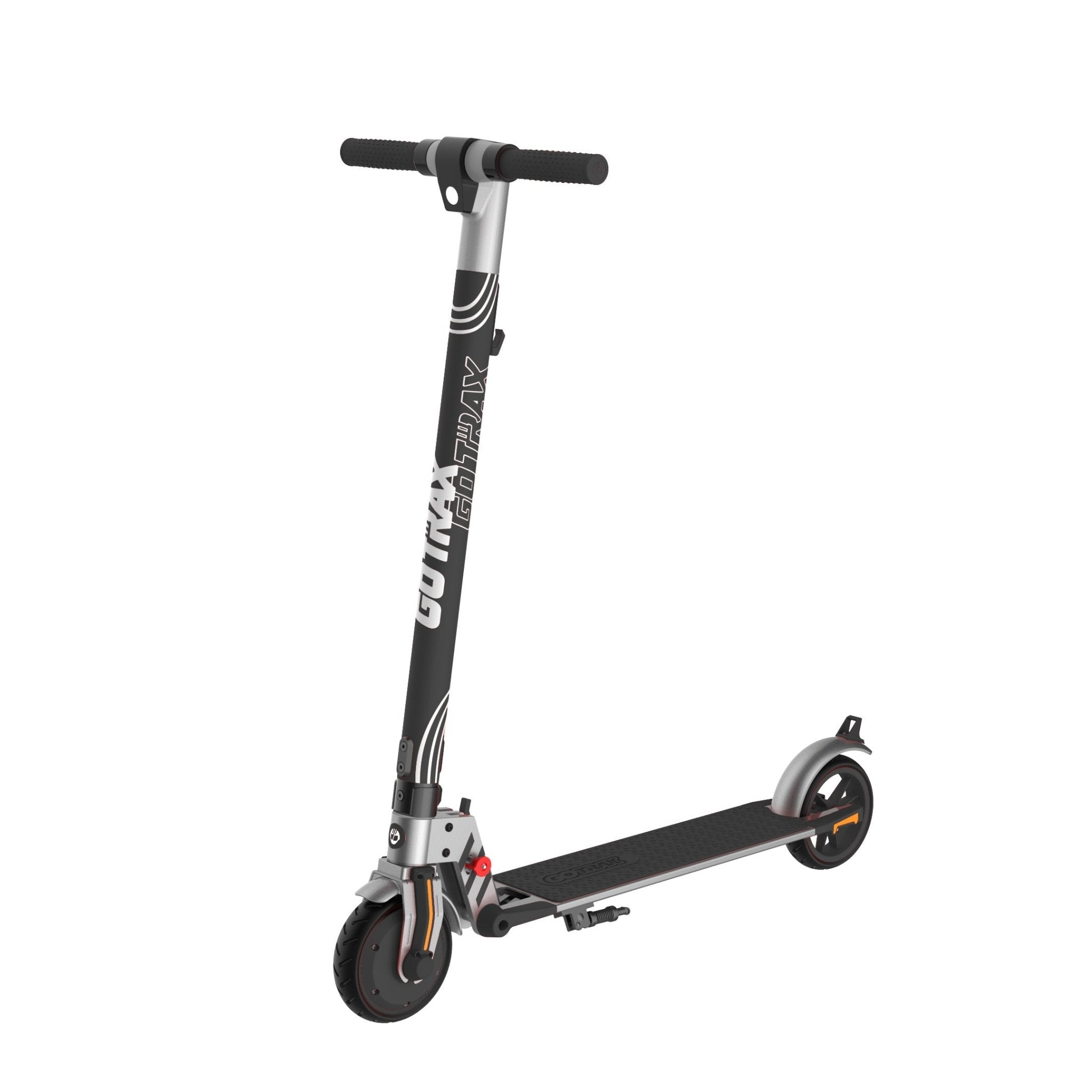 |
GOTRAX Vibe | Ages 11–13 | 10+ positioning | 12 mph | 176 lb | |
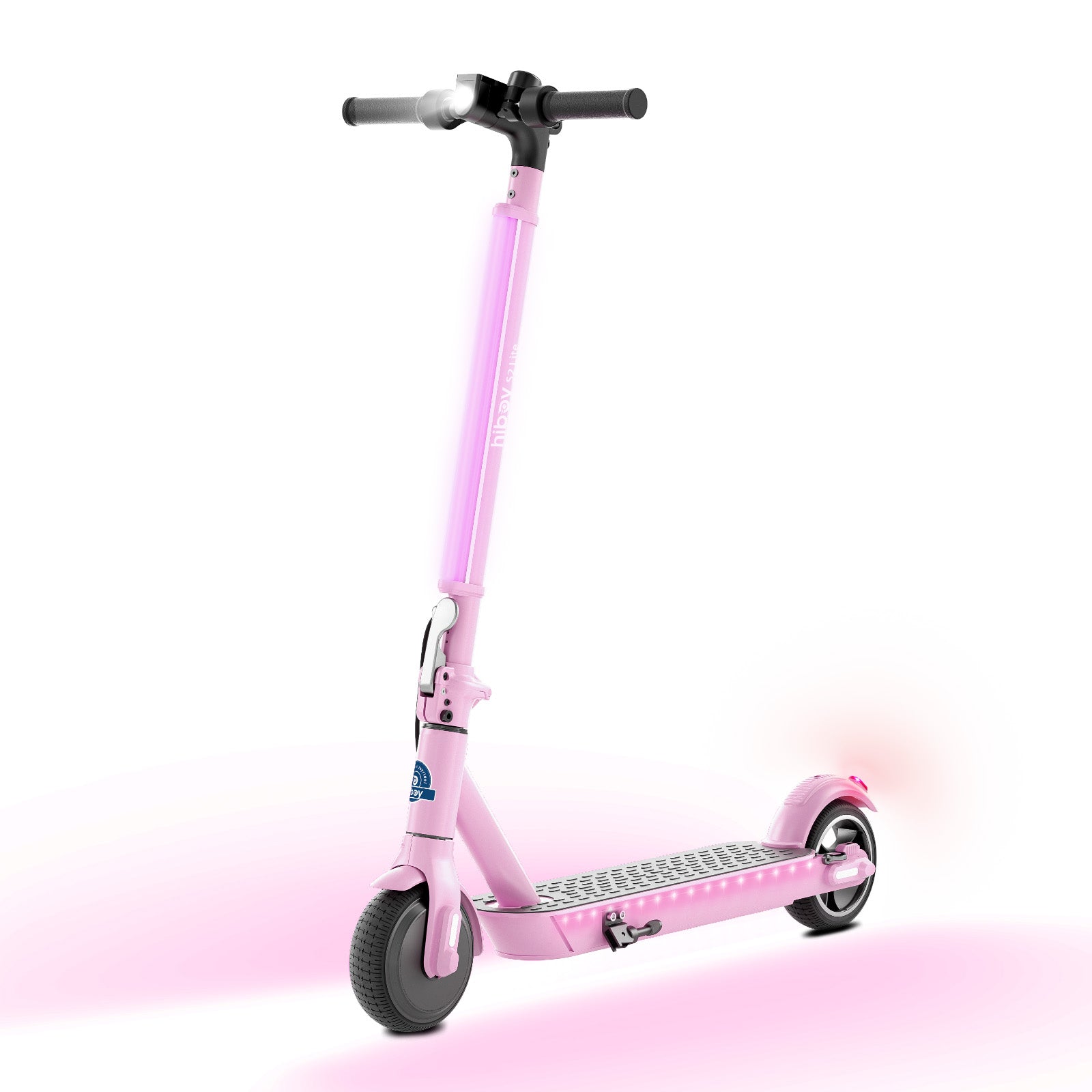 |
Hiboy S2 Lite | Teens | 12+ | 13 mph | 180 lb | |
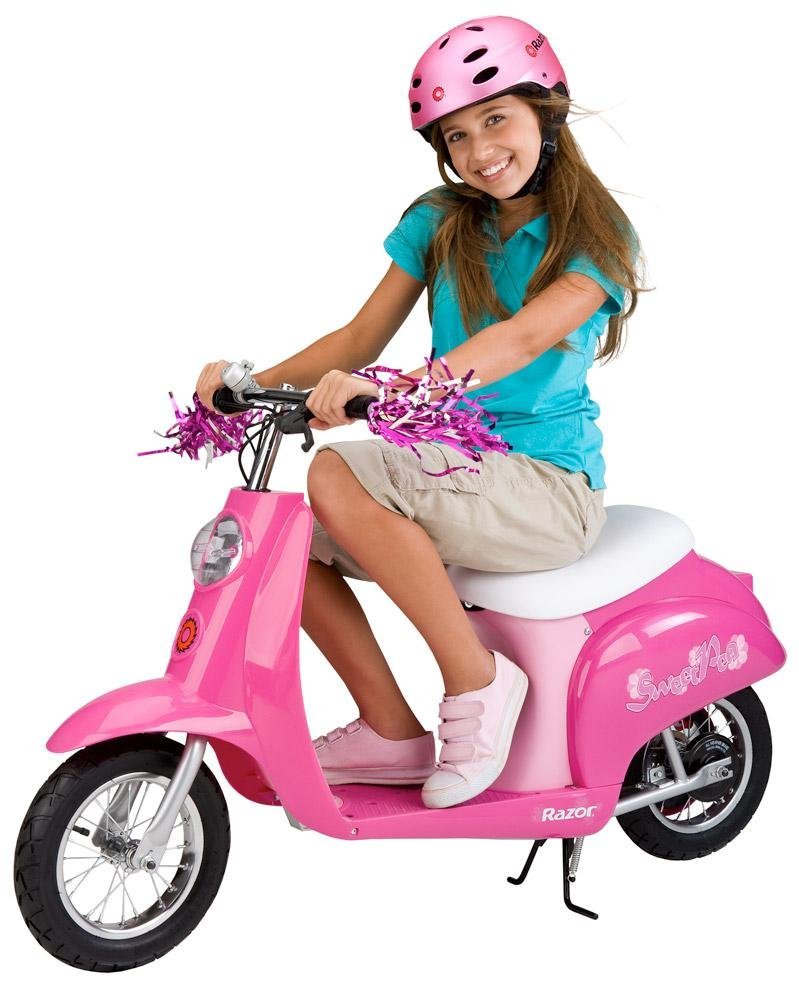 |
Razor Pocket Mod Classic | Best with seat | 8+ low mode; 13+ high | 10/15 mph | 170 lb | |
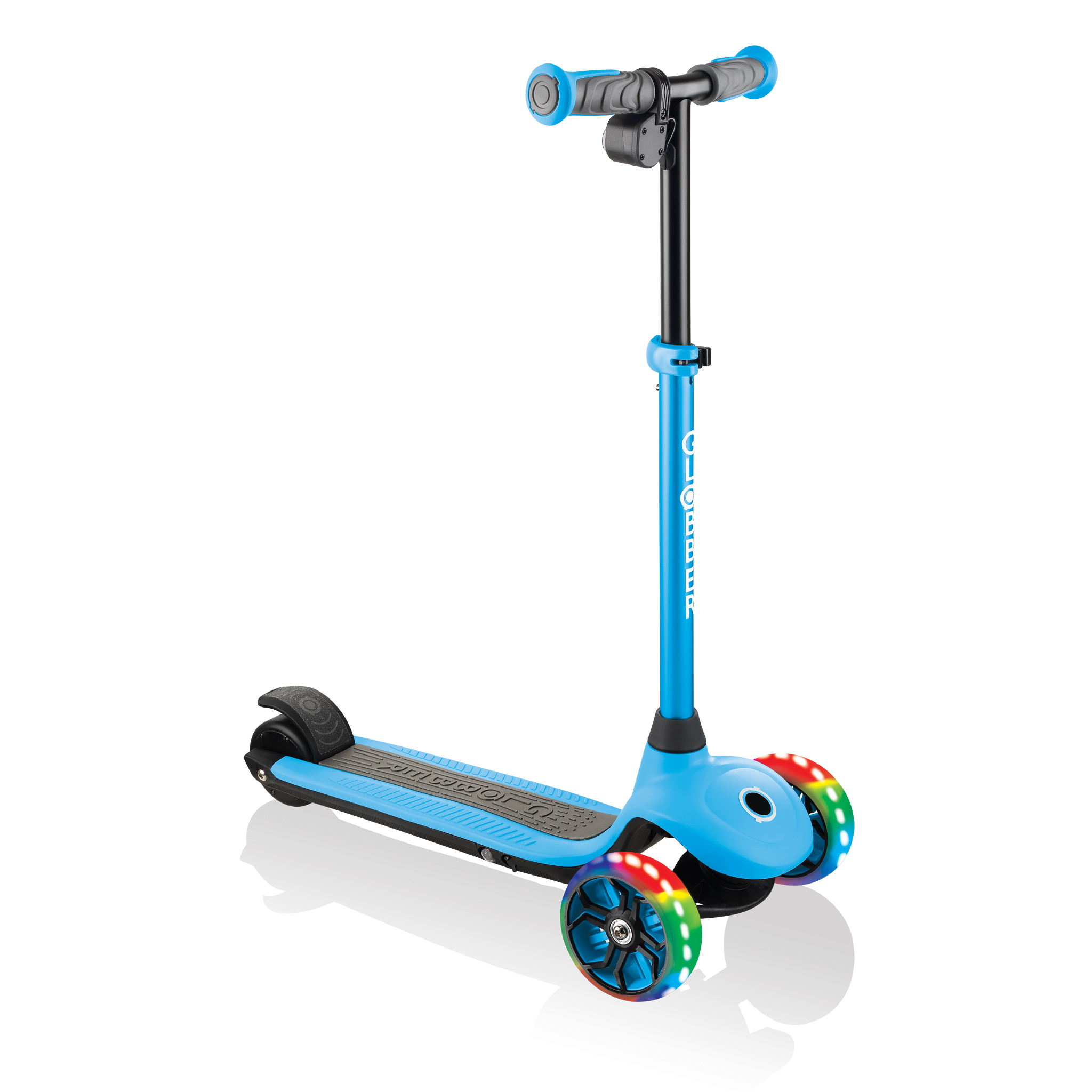 |
Globber ONE K E-MOTION 4 | 3-wheel beginners | 6+ | 6.2 mph | 110 lb | |
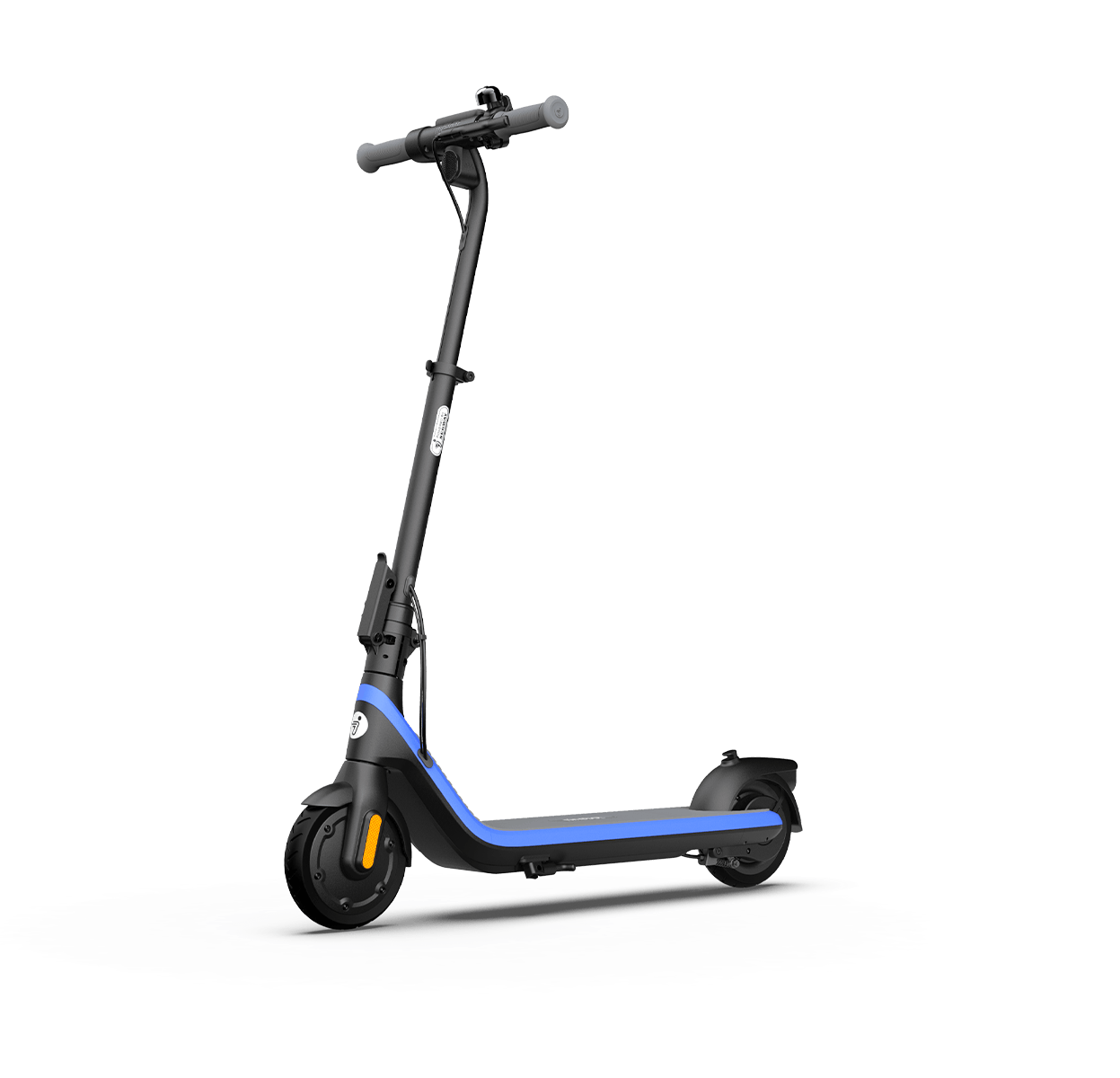 |
Segway Ninebot C2 Pro | Best premium | Height-based fit | 12.4 mph | 132 lb | |
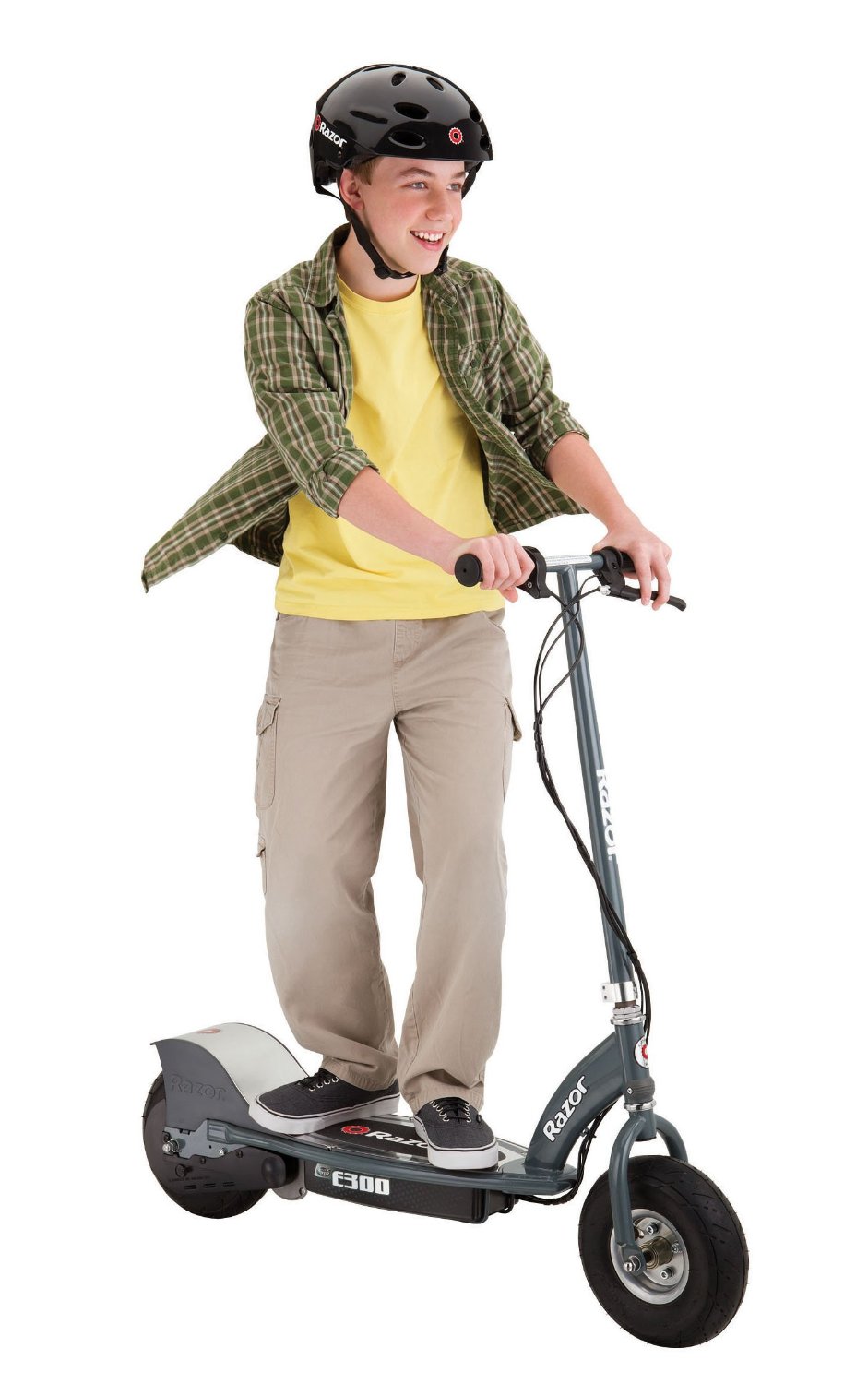 |
Razor E300 | Heavier riders | 13+ | 15 mph | 220 lb |
Budget reality check: at our August 2026 review, we did not find a reputable, clearly specified model reliably priced below $100. The Scout Pro started around $101 for one color and roughly $120 for others. We prefer stating that honestly to recommending an unknown battery system just to meet an arbitrary cap. “Approximate price” means a typical current list or sale price, not a promise.
Best Electric Scooters for Kids: Full Reviews
1. Segway Ninebot C2 Lite — Best Overall
The C2 Lite wins our overall slot because it combines a manageable size with features parents can actually use: three modes, a mechanical hand brake, battery display, solid 7-inch tires, and UL 2272 electrical-system certification. Its Standard mode reduces acceleration, while Sport mode leaves room for a more confident rider. The published range is also unusually clear—Segway separates maximum-speed range from the slower test-mode estimate.
It is still a powered vehicle, not a toy to release onto a public sidewalk. There is no suspension, the handlebar does not fold or grow like the C2 Pro’s, and solid tires transmit more vibration. For a correctly sized rider on smooth private pavement, however, its modest power and low weight make it the most coherent package here.
Pros: three modes; UL 2272 certification; clear display; light enough for many parents to carry.
Cons: fixed rider fit; no suspension or headlight.
Best for: families wanting the best-balanced, low-speed first model after confirming readiness and local rules.
Check current price:
2. GOTRAX Scout Pro — Best Budget (Near $100)
The Scout Pro is the closest credible choice to the requested under-$100 bracket. During our check, its lowest live manufacturer variant was $101, so call it a near-$100 buy rather than pretending it always clears the line. Its advantage is restraint: a 6 mph ceiling and short range are easier for a supervising adult to manage than the 12–15 mph figures attached to many inexpensive marketplace scooters.
The tradeoff is longevity. A three-mile advertised range is for short sessions, not family rides, and a small child can outgrow the chassis quickly. Published specifications are also less complete than Segway’s manual-level documentation. Check the exact color/variant, included charger, certification label, and return terms before ordering; marketplace listings can change while keeping a similar title.
Pros: restrained 6 mph speed; low entry price; 110-pound capacity; simple first-step format.
Cons: very short range; no exact sub-$100 price is guaranteed.
Best for: brief, closely supervised practice on a flat private area when budget matters most.
Check current price:
3. GOTRAX GKS — Best for 5–7-Year-Old Sizing
The GKS’s two-button deck activation is its defining feature: the rider kicks off and places both feet on the deck before the motor engages. That sequence discourages a sudden powered start from a standstill and keeps the controls simple. A 7 mph cap, solid 6-inch tires, and 17.8-pound body suit smaller dimensions better than a scaled-down commuter scooter.
There are important compromises. The deck-button system is unusual and may take practice, solid wheels feel harsh on rough pavement, and there is no conventional handlebar throttle. GOTRAX lists the model as available through Amazon even when individual direct-store colors fluctuate. Always match handlebar height and stance in addition to age. Under the AAP’s conservative guidance, this is a size-category comparison—not our recommendation that a six-year-old should ride a motorized scooter.
Pros: slow 7 mph limit; both-feet activation; light frame; flat-proof tires.
Cons: rougher ride on imperfect pavement; nontraditional controls.
Best for: parents comparing low-speed, small-rider designs while applying strict supervision and medical guidance.
Check current price:
4. Razor Power Core E100 — Best for 8–10-Year-Old Sizing
Razor’s E100 remains relevant because its fit, twist-grip control, pneumatic front tire, hand-operated front brake, and 100-watt hub motor form a familiar bridge between kick scooters and larger teen models. The motor requires a kick start, reducing the abruptness of launching from zero. Compared with chain-drive designs, the Power Core hub motor also eliminates chain alignment and tensioning.
The sealed lead-acid battery explains the long charge and relatively heavy 26.5-pound body. Range is published as runtime rather than miles, so it cannot be compared directly with a lithium model’s laboratory distance. The airless rear tire also feels firmer than the pneumatic front. Read our full Razor E100 review and Razor E100 vs E200 comparison before deciding which size is appropriate.
Pros: proven parts ecosystem; kick-start motor; pneumatic front tire; simple hand brake.
Cons: long charge time; heavy lead-acid battery.
Best for: families who prioritize a familiar Razor platform and serviceable, simple hardware over portability.
Check current price:
5. GOTRAX Vibe — Best for 11–13-Year-Old Sizing
The Vibe is a transitional design: its 200-watt motor, 12 mph ceiling, folding stem, LED display, headlight, and electronic brake feel closer to a restrained commuter scooter than a deck-button children’s model. A 176-pound limit gives growing preteens more fit margin, while its roughly 21-pound weight remains manageable for an adult to put in a trunk.
That extra capability demands stronger judgment and protective gear. Twelve mph is meaningfully faster than 7 mph, the 6-inch tires are small, and the seven-mile claim will fall with hills, cold weather, frequent starts, or a heavier rider. Direct-store colors and stock have fluctuated; verify that the exact Amazon listing names the Vibe, shows the correct 12 mph specification, includes the original charger, and identifies the seller.
Pros: folding frame; useful display and headlight; 176-pound limit; moderate 12 mph cap.
Cons: small tires; stock and color availability vary.
Best for: a physically fitting, rules-following older child whose family has independently decided motorized riding is appropriate.
Check current price:
6. Hiboy S2 Lite — Best for Teens
Hiboy gives parents unusually complete fit data for the S2 Lite. Its 13 mph cap, 250-watt rated motor, 36V battery, folding body, and 180-pound capacity make sense for teens who are too tall or heavy for a small kids’ deck but do not need an 18–22 mph adult commuter. Front, stem, side, and rear lighting improve conspicuity, and IPX4 resistance helps with incidental splashes—not rain riding.
The 6.5-inch solid tires avoid punctures but transmit bumps, and there is no suspension. The long handlebar-to-deck height can also be wrong for a shorter child despite the broad published height range. We like the data transparency and restrained speed more than decorative lights; families should still inspect brakes, tires, latch, and fasteners before every ride.
Pros: 13 mph teen-friendly cap; four-part lighting; 180-pound capacity; 3–5-hour charge.
Cons: no suspension; solid tires ride firmly.
Best for: teens who fit the stated dimensions and need a lighter alternative to a full commuter scooter.
Check current price:
7. Razor Pocket Mod Classic — Best with a Seat
The Pocket Mod is closer to a miniature seated moped than a kick scooter. Its padded seat, under-seat storage, 12-inch pneumatic tires, variable twist throttle, and hand-operated rear brake make it the clear seated choice. Current hub-motor versions offer a low-speed mode capped at 10 mph for the maker’s 8+ category and a default high mode up to 15 mph for 13+.
The drawbacks are substantial: it is bulky, about 50 pounds, nonfolding, and slow to recharge. A seat may feel stable, but it does not remove fall or collision risk; the larger body also needs more storage and stopping room. Confirm which Pocket Mod version the listing sells because chain-drive, hub-motor, and Lightshow specifications differ. Our Razor Pocket Mod review covers the format in more depth.
Pros: true padded seat; large pneumatic tires; useful storage; low/high modes on current hub version.
Cons: heavy and nonfolding; long recharge.
Best for: supervised private-property riding when seated comfort matters more than carrying or compact storage.
Check current price:
8. Globber ONE K E-MOTION 4 — Best 3-Wheel Beginner Design
Two front wheels, a lean-to-steer front end, and a very low 6.2 mph maximum distinguish the ONE K E-MOTION 4. It has a slower 3.7 mph mode, an adjustable handlebar, an 80-watt rear hub motor, electronic anti-lock braking plus a rear foot brake, and IPX4 splash resistance. At just 8.7 pounds, it is the easiest powered model here for a parent to carry.
Three wheels improve low-speed standing stability but do not make an e-scooter fall-proof. Lean steering feels different from a bicycle handlebar, and the narrow rear section can still catch an ankle. Range and hill performance are modest by design. Before buying, read our two-wheel vs three-wheel scooter guide and confirm the listing is the electric E-MOTION 4, not Globber’s similarly named kick scooter.
Pros: two low speed modes; extremely light; dual braking methods; adjustable bar.
Cons: limited hill ability; lean-to-steer requires its own practice.
Best for: comparing the slowest, lightest three-wheel format for supervised beginner practice.
Check current price:
9. Segway Ninebot C2 Pro — Best Premium
The C2 Pro earns the premium slot with details that can extend useful fit: three handlebar heights, three ride modes, a large display, folding stem, mechanical drum brake, 7-inch hollow tires, and a 132-pound limit. Segway also publishes separate maximum-speed and theoretical ranges and describes drop, road, water-resistance, and battery testing. That documentation is valuable when comparing powered products.
Bluetooth audio and RGB lighting add cost without improving control, and a 12.4 mph ceiling is too much for an unprepared rider. Regional versions differ: U.S. speed, range, and payload figures are not identical to European listings, so buy by exact model and manual. There is no suspension, though hollow tires soften small vibrations better than basic solids.
Pros: adjustable height; folding design; well-documented specifications; display and drum brake.
Cons: feature-heavy price; no suspension.
Best for: a growing, correctly sized rider whose family values adjustability and documentation over the lowest price.
Check current price:
10. Razor E300 — Best for Heavier Kids
The E300’s 220-pound capacity, wide deck, full-size frame, and 10-inch pneumatic tires give bigger teens more room than compact youth scooters. Its 24V sealed lead-acid system drives to 15 mph for up to 40 minutes under test conditions. The large air tires are the main comfort advantage, rolling over imperfect pavement more calmly than a 6-inch solid tire.
Capacity does not mean portability. At roughly 52 pounds, the E300 is difficult to carry, takes a long time to recharge, and uses older battery technology. It lacks the range display, folding stem, and lighting expected on newer commuter-style models. Speed also places it firmly in the mature-rider category. See our detailed Razor E300 review before committing to its size and maintenance needs.
Pros: 220-pound limit; roomy deck; large pneumatic tires; established Razor parts support.
Cons: extremely heavy; long charge and limited runtime.
Best for: larger teens riding on private property who need space and capacity more than portability.
Check current price:
How to Choose an Electric Scooter for Your Kid
Start with the child, not the product ranking. Age labels are broad marketing gates; height, stance, hand reach, judgment, and willingness to follow rules are more useful. Our electric scooter age and readiness guide offers a checklist, while the kids’ scooter size guide explains handlebar and deck fit. If any critical control is hard to reach, choose a different model—even when the age printed on the box looks right.
Match the Speed to the Age
The table below describes common manufacturer-market speed bands; it is not a declaration that these speeds are medically safe. AAP guidance is more conservative and advises against motorized scooter riding under 16. Where families proceed after considering that guidance, begin in the lowest mode on a flat, empty, private area and require demonstrated braking before any faster setting.
| Manufacturer market category | Common maximum | Parent check |
|---|---|---|
| Under about 10–11 | Approximately 6–10 mph | Prefer a lower training mode, kick start, and close adult control. |
| About 12–13 | Approximately 10–13 mph | Require smooth braking, scanning, signaling, and rule compliance. |
| Older teens | Approximately 13–15 mph in this guide | Check local law; do not “size up” to an adult commuter for speed. |
Impact energy rises quickly with speed, and real stopping distance changes with rider weight, tire grip, slope, brake condition, and reaction time. A speed limiter is useful only if the adult controls the setting and the scooter does not silently reset after power cycling.
Weight Limit and Deck Size
Leave margin below the published maximum. A rider near the limit may see slower climbing, longer stopping, and less range. But buying the highest-capacity scooter can backfire because stronger frames and batteries are heavier; compare the 17.2-pound C2 Lite with the roughly 52-pound E300. The child should stand with both feet securely placed without crowding the rear wheel or brake. Handlebars should permit a relaxed elbow bend and upright vision rather than forcing a reach or a hunch. Shoes, backpack, and clothing count toward total load. Recheck fit after a growth spurt instead of assuming the scooter remains suitable.
Brakes: Hand Brake vs Foot Brake
A hand brake lets a rider keep both feet planted, but only if the lever is within reach and can be squeezed firmly. A rear foot brake is mechanically simple, though shifting one foot can destabilize a novice. Electronic braking can be smooth but should not be the only stopping method you understand. Before each session, walk beside the powered-off scooter and test the lever, cable, drum or caliper, and rear fender. Then practice controlled stops at the lowest speed. Never assume a brake is “maintenance-free.” Tires, cables, fasteners, and folding latches still need inspection.
Battery Range and Charge Time
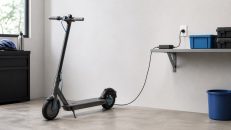
Advertised range is a laboratory estimate, not a trip promise. Heavier riders, cold temperatures, hills, rough pavement, stop-start riding, low tire pressure, and higher modes reduce distance. Keep the ride within a distance the child and adult could safely walk back. Lithium scooters often recharge in roughly 3–6 hours; older sealed lead-acid Razor models may take up to 12 hours. Use only the original or manufacturer-approved charger, charge in a dry open area away from exits and combustibles, stay present, and unplug when charging is complete. Our safe charging guide covers battery warning signs and storage.
Safety Features to Look For
Prioritize a recognized electrical-system certification such as UL 2272, a battery management system, a reachable mechanical brake, a non-slip deck, reflectors or lights, a secure folding latch, and a low-speed training mode. Certification is not a guarantee against every defect, but it is more meaningful than vague “safe battery” language. Solid tires cannot puncture but ride firmly; pneumatic tires improve comfort and grip but need pressure checks. Water-resistance labels such as IPX4 mean splash resistance, not permission to ride through rain or puddles. Finally, verify the exact model number in the manual. Marketplace pages sometimes combine variants with different motors, limits, or batteries under one review count.
Safety First: What Parents Should Know
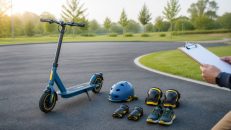
Read the CPSC’s micromobility guidance and the AAP’s e-scooter advice before deciding. A properly fitted, certified helmet is non-negotiable; knee and elbow pads, wrist protection compatible with steering, closed-toe shoes, bright clothing, and lights add layers. Helmet and protective-gear shopping placeholder:
.Use a traffic-free private area, one rider only, no phone or headphones, no darkness, no wet surfaces, and no passengers. Teach the child to scan, slow before turns, keep both hands on the bars, avoid gravel and driveway lips, and stop well before people or obstacles. An adult should inspect tires, brakes, stem, folding latch, deck, fasteners, and battery enclosure before riding. Do not use or charge a scooter that is swollen, cracked, wet, unusually hot, hissing, smoking, or giving off an odd odor. Move away, call emergency services if needed, and follow local disposal guidance. Our complete scooter safety guide turns these points into a repeatable pre-ride routine.
FAQ
What age is appropriate for an electric scooter?
There is no universal age that makes every child and scooter appropriate. Manufacturers in this roundup label products from about 6+, 8+, 10+, 12+, or 13+, but those labels mainly describe intended fit and capability. The American Academy of Pediatrics advises that children under 16 should not operate or ride motorized or e-scooters. Parents should consider that recommendation, local law, the child’s height, ability to reach the brake, coordination, judgment, and the riding environment. A conventional kick scooter is the lower-risk starting point for younger children.
How fast do kids’ electric scooters go?
Models here range from 6 mph to 15 mph. Products for smaller riders commonly cap speed around 6–10 mph, while teen-oriented scooters often reach 12–15 mph. Actual speed changes with rider weight, battery charge, slope, temperature, and mode. The best maximum is not the fastest one; it is the lowest speed that meets the use case while the rider can repeatedly start, steer, scan, and stop under control.
Are electric scooters safe for a 6-year-old?
No powered scooter can be called universally safe for a six-year-old. Although brands sell low-speed models for that size range, AAP guidance advises against motorized scooter use for children under 16. A six-year-old’s balance, judgment, brake reach, and impulse control also vary widely. A three-wheel or two-wheel non-powered kick scooter, fitted correctly and used with a helmet in a protected area, is generally the more conservative choice. If a family is still considering a powered model, consult the child’s clinician and check local rules first.
How long does the battery last?
Small kids’ models advertise roughly 3–10.6 miles or 35–80 minutes, depending on the product and speed mode. Those numbers come from controlled tests. Hills, frequent acceleration, cold weather, rider weight, tire pressure, and battery age reduce real range. Plan a short loop near home, never run the battery to empty far away, and replace only with an approved battery. Charge time in this group ranges from about four hours to as much as twelve.
Do kids need a helmet by law?
Helmet law depends on country, state, and sometimes city, rider age, vehicle classification, and where the scooter is used. Do not rely on a national roundup for a local legal answer. Check your state motor-vehicle or transportation agency and municipal code before riding. Regardless of the minimum law, the CPSC and pediatric safety guidance support helmet use. Choose a properly fitted helmet certified for the relevant activity and replace it after a significant impact or when the maker directs.
Can a child ride an electric scooter on the sidewalk?
Rules differ sharply. Some places ban powered scooters on sidewalks, some restrict them to bike infrastructure, and others set age, speed, helmet, registration, or supervision conditions. Private-property permission is separate from road law. Confirm the exact vehicle class and local ordinance before the first ride; do not assume a product marketed to children is legal on public pavement.
Final Verdict
Best overall: Segway Ninebot C2 Lite. It provides the cleanest balance of low weight, restrained speed, riding modes, clear documentation, and UL 2272 certification. Runner-up: Segway Ninebot C2 Pro. Choose it when adjustable fit and folding matter enough to justify the extra speed, weight, and cost. Budget pick: GOTRAX Scout Pro. It is the closest credible option to $100, but current prices start just above the requested cap, so wait for a genuine sale rather than compromising on an unknown battery. Whatever you choose, fit, local law, conservative speed, protective gear, charging discipline, and active supervision matter more than any ranking.
Editorial note: Product prices and availability were checked during the August 2026 update and can change without notice. ForScooter does not claim hands-on testing of these ten models. Future Amazon buttons should use rel="sponsored nofollow"; placeholders on this page are intentionally not links.
Recheck the exact listing before checkout
Manufacturers can reuse a product name while changing the battery, controls, speed modes, wheels, or included charger. Match the retailer’s product ID and photos to the current manufacturer page and manual. Confirm who supplies the warranty, whether replacement tires and the approved charger are available, and whether the seller is describing the same generation used in this guide.
If a key specification is missing or conflicts with the manual, pause the purchase. A lower price does not compensate for uncertain identity, fit, electrical support, or braking information.


I bought Razor E90 for my 15th years kids.Its nice light and good battery backup as well.