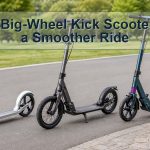
The Micro Mini Deluxe earns its reputation by getting preschool geometry right: a low deck, two front wheels, a light 4.2-pound frame, a height-adjustable bar, and lean-to-steer control. Those details can make early scooting less intimidating than a tall two-wheel design.
It is still not the automatic choice for every two- to five-year-old. The child must understand the lean-to-steer motion, the 27-inch maximum bar height creates a real end point, and the price is higher than many three-wheel scooters. Our verdict: it is worth considering for a family that values low weight, replaceable parts, and a refined ride—and that has confirmed the child fits now.
Micro Mini Deluxe Specifications
| Recommended age | 2–5 years |
|---|---|
| Deck | 12 × 4.5 in |
| T-bar height from ground | 19.25–27 in |
| Wheels | 120 mm front; 80 mm rear |
| Scooter weight | 4.2 lb |
| Maximum rider weight | 110 lb on the current Mini specification |
| Steering | Lean-to-steer |
| Brake | Rear foot brake |
Official specifications: Micro Mini
Quick Verdict
- Buy it when: the child fits the 19.25–27-inch bar range, is ready to follow simple rules, and the family values low weight and replaceable parts.
- Choose the foldable Mini when: compact car or travel storage matters enough to justify the different mechanism and price.
- Choose the 3-in-1 when: a younger child needs the manufacturer’s seat/ride-on progression.
- Skip it when: the child is already near the maximum comfortable bar height or strongly prefers direct handlebar steering.
What Makes the Mini Feel Different?
The two front wheels create a broad support base, while the single rear wheel lets the deck stay narrow. Instead of turning the handlebar like a bicycle, the rider shifts body weight to tilt the steering system. That encourages coordinated leaning and can prevent sudden oversteering, but it also feels unfamiliar to some children at first.
The deck sits close to the ground. A lower deck generally means the standing leg does not have to squat as deeply every time the pushing foot reaches the pavement. For a small child, that can matter more than flashy wheels or a high published weight limit.
Fit: The 27-Inch Limit Matters
The adjustable T-bar is one of the Deluxe design’s main advantages over a fixed-height preschool scooter. Set the grips around the child’s waist to lower-rib area, then watch posture: shoulders relaxed, elbows slightly bent, eyes forward, and no deep bend at the waist.
A five-year-old can be too tall for a Mini even though the box says age 2–5. A younger child can also be unready despite fitting physically. If the bar is already at its maximum and the child hunches, compare a Micro Maxi or correctly sized two-wheel scooter rather than stretching one more season from the Mini. Our kids scooter size guide walks through the measurement.
Stability and Lean-to-Steer Learning
Three wheels let the Mini stand without the rider balancing a narrow two-wheel line at rest. That can help a cautious preschooler focus on pushing and braking. During a turn, however, the child still needs to shift weight intentionally. A child who freezes the upper body may continue straight; a child who leans abruptly can carve more sharply than expected.
Start with a simple path made from chalk or small cones on flat, dry pavement. Ask the child to walk the scooter through gentle S-turns before adding speed. Avoid holding the handlebar from the front because that changes steering feedback. Walk beside the child and keep the practice area away from driveways, slopes, stairs, water, and pedestrians.
Weight, Carrying, and Storage
At 4.2 pounds, the Mini is light enough for many caregivers to carry while also managing a tired child. It is also easier for a small rider to reposition after a stop. The standard design does not fold like the dedicated Foldable Mini. Depending on the version, the T-bar may detach for transport; use the manufacturer’s release and reassembly instructions.
Do not confuse a removable bar with something that should be casually taken apart before every ride. After reassembly, check the connection and supplied clamp/tool procedure before handing the scooter back to the child.
Ride Quality and Wheels
Micro uses 120 mm polyurethane front wheels and an 80 mm rear wheel. The flexible deck and polyurethane can filter small sidewalk texture while remaining efficient on smooth surfaces. The small rear wheel still dislikes deep cracks and debris. A three-wheel stance does not prevent a sudden stop if a wheel meets an obstacle it cannot roll over.
Motion-activated LED variants add visibility from some angles but do not replace daylight, supervision, or reflective gear. Lights are a preference feature, not a safety permission slip for night riding.
Brake and First Skills
The rider presses the rear fender with one foot. This requires enough balance to keep the standing foot centered while moving the other foot backward. Practice with the child walking beside the scooter, then gliding at very low speed. The goal is a progressive stop, not stomping the brake after speed builds.
Young children often drag shoes as an instinctive brake. That can damage footwear and create an awkward fall. Teach the intended brake early and keep speed low enough that the child can step off safely.
Pros and Cons
What parents may value
- Low, stable three-wheel geometry for early learning.
- Only 4.2 pounds, helpful for carrying and child control.
- Adjustable 19.25–27-inch T-bar covers meaningful preschool growth.
- Wide anti-slip deck area and rear brake.
- Manufacturer offers many replacement parts rather than treating the scooter as disposable.
Limitations
- Higher cost than many preschool scooters.
- Lean-to-steer has a learning curve and is not every child’s preference.
- Maximum bar height can arrive before age five for a tall child.
- Standard version is not the same as the foldable model.
- Three wheels improve standing stability but do not remove fall risk.
Affiliate link: [AFF-LINK]
Mini vs Foldable Mini vs Mini 3-in-1
| Version | Best for | Check before buying |
|---|---|---|
| Micro Mini / Mini Deluxe family | Light, straightforward preschool scooting | Exact bar, wheel, and LED version |
| Micro Mini Foldable | Frequent car, stroller, or travel storage | Added folding mechanism, weight, and price |
| Micro Mini 3-in-1 | Younger child beginning with a seat/ride-on stage | Current attachment stages and published age limits |
Choose the configuration for the next year of real use, not the longest feature list. A two-and-a-half-year-old who walks everywhere may use the standard Mini immediately; a younger child may benefit from the 3-in-1 sequence; a frequent traveler may be happiest paying for folding.
Readiness Checklist for Ages 2–5
- Child can walk and run with reasonable control.
- Child can follow “stop,” “wait,” and “feet down” every time.
- Hands can hold both grips while looking forward.
- Helmet fits level and snug without sliding.
- Practice area is flat, dry, separated from vehicles, and free of sharp edges.
- Adult remains close enough to intervene.
Compare stability and steering styles in our two-wheel vs three-wheel scooter guide, then review the family safety checklist.
Frequently Asked Questions
Is the Micro Mini Deluxe worth the price?
It can be when low weight, refined preschool fit, and replacement parts matter. It is poor value if the child is already near the maximum bar height or will ride only occasionally.
Can a two-year-old ride it?
Micro lists ages 2–5, but readiness varies. The child should follow stop commands, hold the bar, practice braking, and ride only with direct adult supervision in a controlled area.
Does the Mini turn like a bicycle?
No. It uses lean-to-steer: the rider shifts body weight to direct the front wheel assembly.
When should a child move to a Micro Maxi?
Move when the Mini’s bar is too low, the deck feels cramped, or the child is outside the current fit range—not simply on a birthday.
Does the standard Mini fold?
Do not assume so. Micro sells dedicated foldable variants. Match the exact product title and manual to the listing.
Final Verdict
The Micro Mini Deluxe is a well-resolved preschool scooter: light, low, stable at rest, adjustable, and supported by replaceable parts. Its value depends on fit. Measure the child, confirm readiness, and buy the exact variant you need. If the 27-inch bar is already marginal, put the budget toward the next size instead of paying a premium for a short ownership window.